(00351) 964469431/913436364
info@2feelportugal.com
(00351) 964469431/913436364
info@2feelportugal.com (00351) 964469431/913436364
info@2feelportugal.com
(00351) 964469431/913436364
info@2feelportugal.comIn this tour we’ll start by Coimbra – a town made around a historical University. You’ll start by visiting the Baroque Library that’s one of the ex-libris of Coimbra. Afterwards you’ll have some free time to walk through the narrow and typical streets until downtown. We’ll meet over there and visit the Sta Cruz Monastery. From here we’ll go to Conimbriga. This entire town from the Roman Era is one of the most precious and interesting remaining in the world. A must-see. And we’ll end visiting the Schist Village which is a true travel in time – so beautiful and exquisite that it’s difficult to describe.
Here you’ll find our recommendations of places to visit during the day. You can also find alternative options and additional activities. The choice is yours.
Our mission is to give you a memorable day. Because this tour is for you!
If “Coimbra is a lesson”, as the popular fado song says, Coimbra is firstly a lesson of Portuguese History. Here is the grave of the first two Portuguese Kings and, all over the city, you will discover landmarks left by those who built the nation, whether they are the outbuildings of the University or the monuments you should mandatorily visit. From the magnificent scale of the Joanine Library to the symbolism of the Santa Cruz convent, the old capital of the Kingdom is full of heritage from the past.
When a single space reunites a literary treasure beyond compare and the opulence of early 17th century architecture and arts, the result is one of the most spectacular and original European libraries in Baroque style. At Joanine Library, there are worlds inside worlds; here everything is knowledge and art invites you to discovery. There are thousands of works which lay upon a lavish space full of beauty and exoticism, where the richness of the painted ceilings is in harmony with the balustrades and shelves made of golden leaves and wood from the tropics.
Built from 1131 onwards, the Santa Cruz Monastery construction lasted for almost another century. The monastery became increasingly important, which lead to several changes in its structure throughout History. Nowadays there’s little left from its original Romanesque structure. The most important change, which gave the building its current appearance, was carried out during the second half of the 16th century when King Manuel, concerned about the dignity of the final resting place of the first two Kings of Portugal, decided to finance a campaign of renovation works which improved both the outside and the inside of the building.
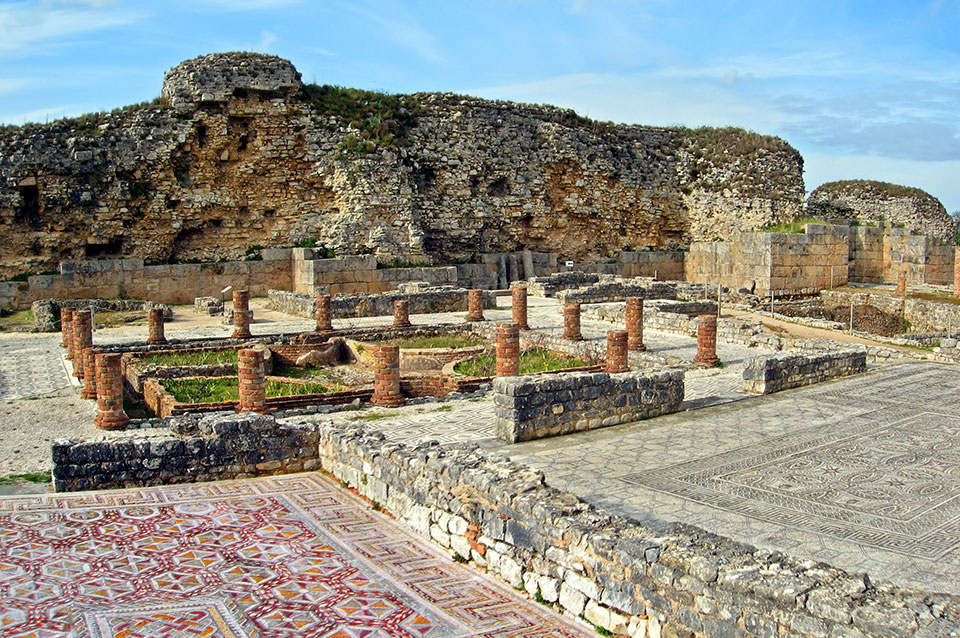
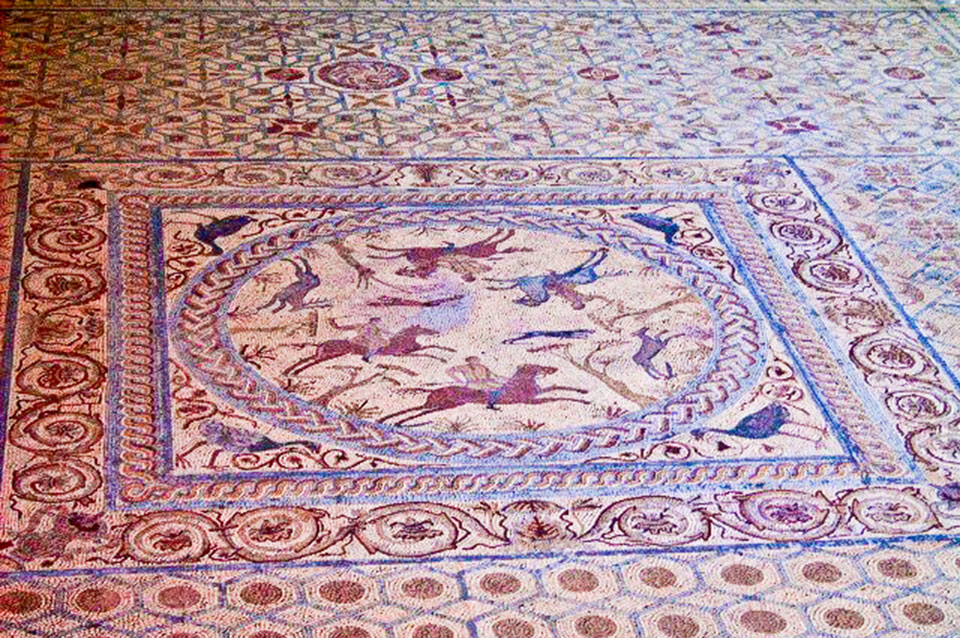
Inhabited since pre-Historic times, Conimbriga was occupied by Roman troops in 139 BC and it became the prosperous capital city of the Lusitania province. In the next century, during the reign of Emperor Augustus, the urban part of the city grew. It was during this period that some of the most important buildings for everyday life in a Roman city were build such as the forum, the amphitheatre and the thermal baths.
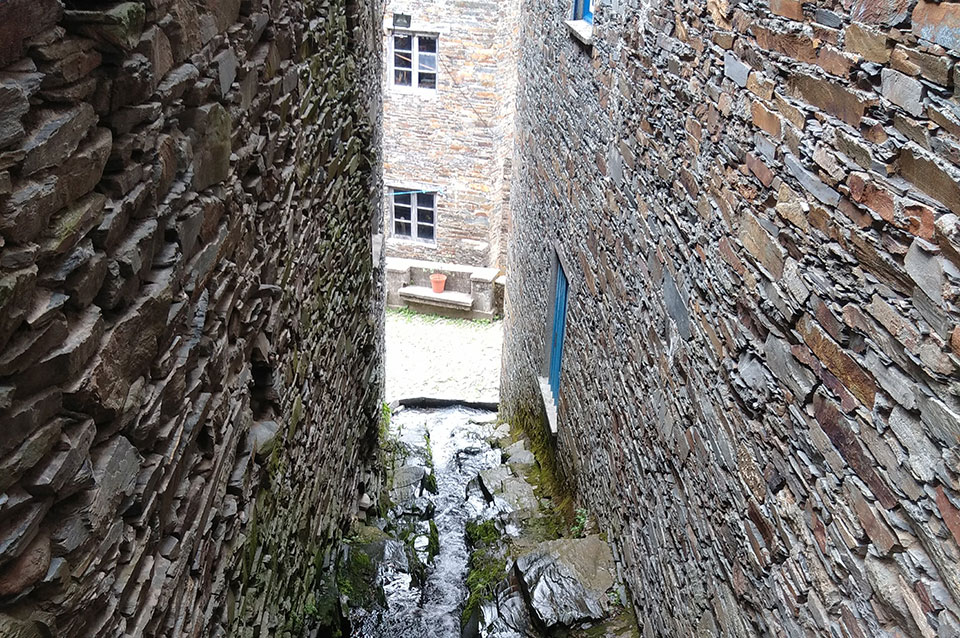
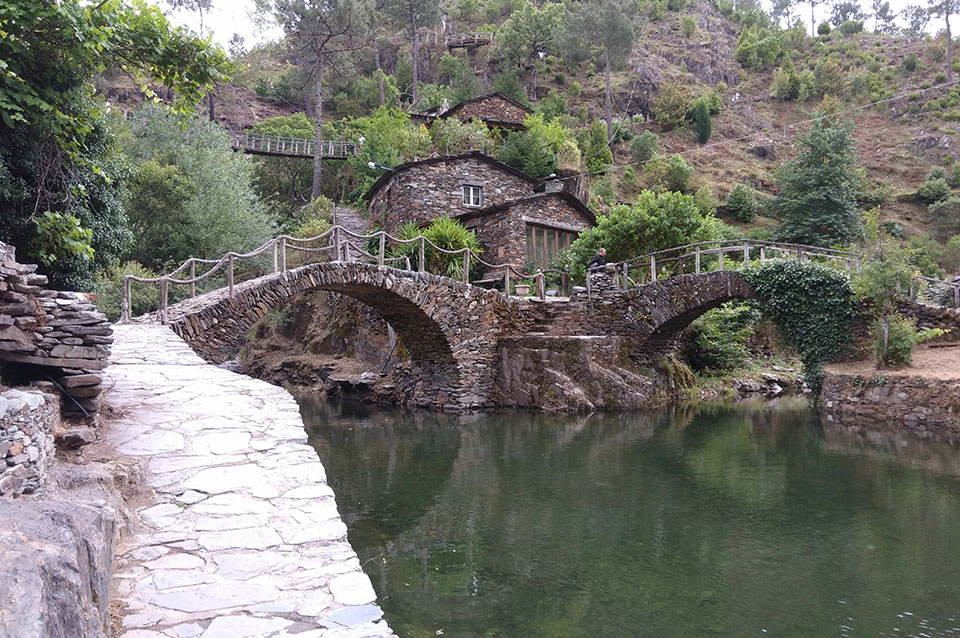
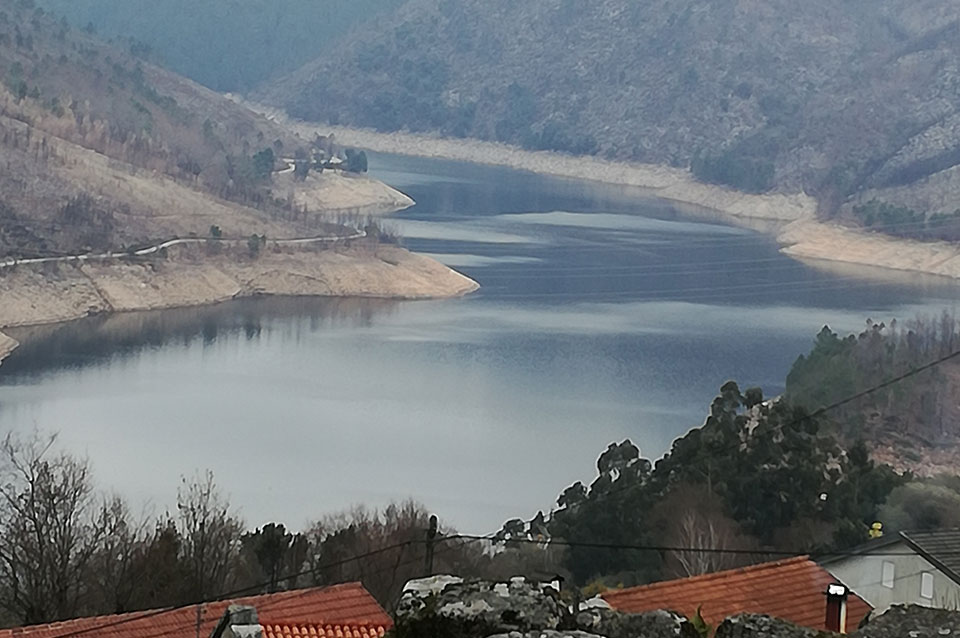
In these small village there is always something to do. Stroll through the winding streets of the villages, see houses made of schist, where life still follows rural routines and farming and cattle breading are essential to the everyday life of its inhabitants. Visit its many overlooks and see the stunning landscapes where the villages become little more than rock formations surrounded by green vastness.
Dominating the valley where the Mondego River runs, with endless rice fields, the town of Montemor-o-Velho is characterized by its imposing castle. This extensive land has been successively occupied since Roman times and when the Arabs first settled during the 8th century, the Mondego lands became a constant stage of intense fights between Muslims and Christians.
Fall in love with the serene exuberance, almost magical, of Bussaco’s intense green color. Indulge yourself in the charm of the flora and History of this place. Bussaco Woods are very small when compared with other large European woods. However, the variety of its plant species is larger than in other wood. Within the walls there are about 400 native species of the Portuguese Atlantic coast and around 300 which come from other climates. The most representative element of this symbiosis is the Bussaco cedar, an important cypress which comes from Mexico and might have been the first exotic species to be planted in the forest in 1656.
We can book a wine tasting in some of the most interesting and historical winemakers in this area. In here you can try out the Portuguese wine and understand its history and cultural importance. For wine lovers it’s a must-do.
If you’re a History Lover you can book a walking tour with a professional guide for you on an area that you decide or for the full tour. Ask us for details.
All our vehicles have luxury standards and have all the comfort for you to have a safe and comfortable private tour. We have vehicles from 4 up to 7 people. It’s included wi-fi and water at your disposal. Our goal is to provide you a memorable day.
All our guides work to provide you an incredible day. They’ll try to help you understand our traditions, our gastronomy, our history and our habits. And they’ll do this with the upmost pleasure. Because your satisfaction is our satisfaction.